Research Methods
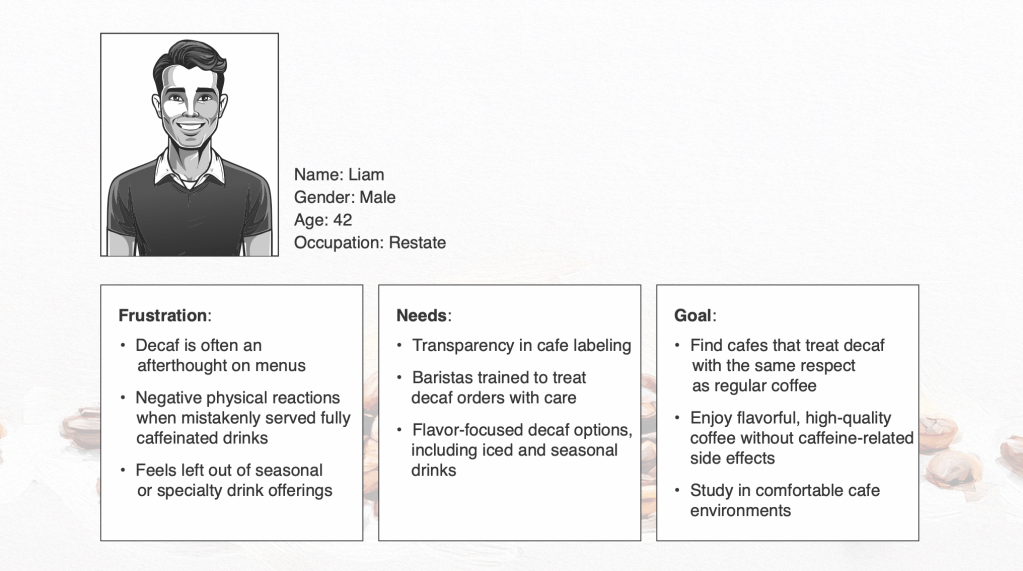
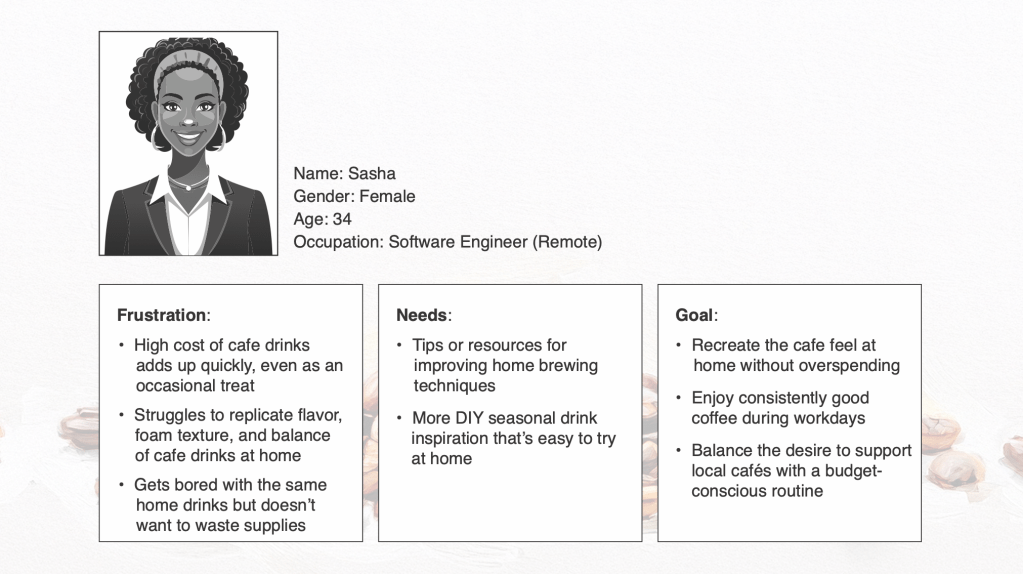
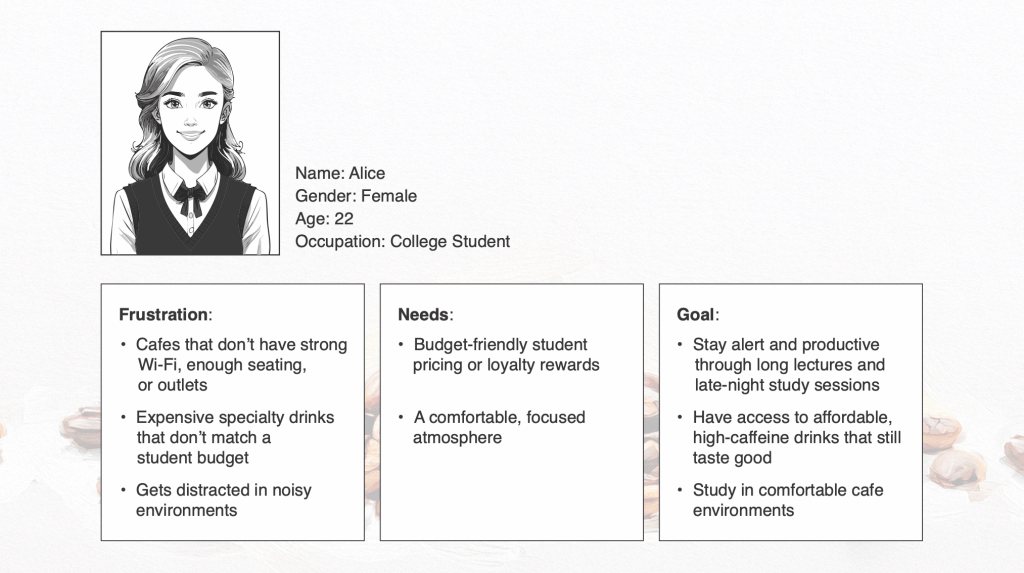
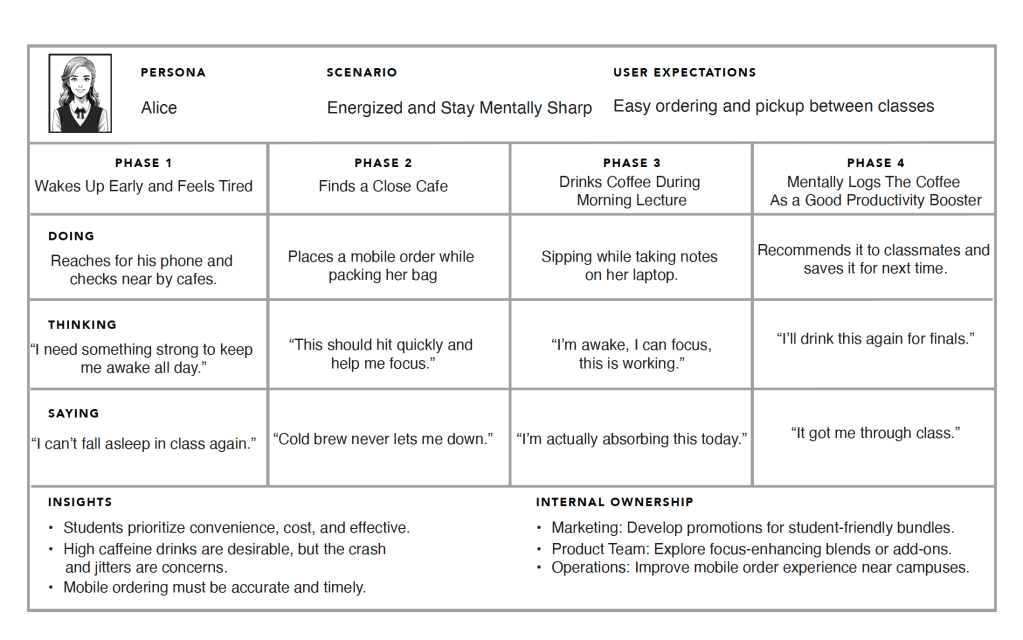
personas
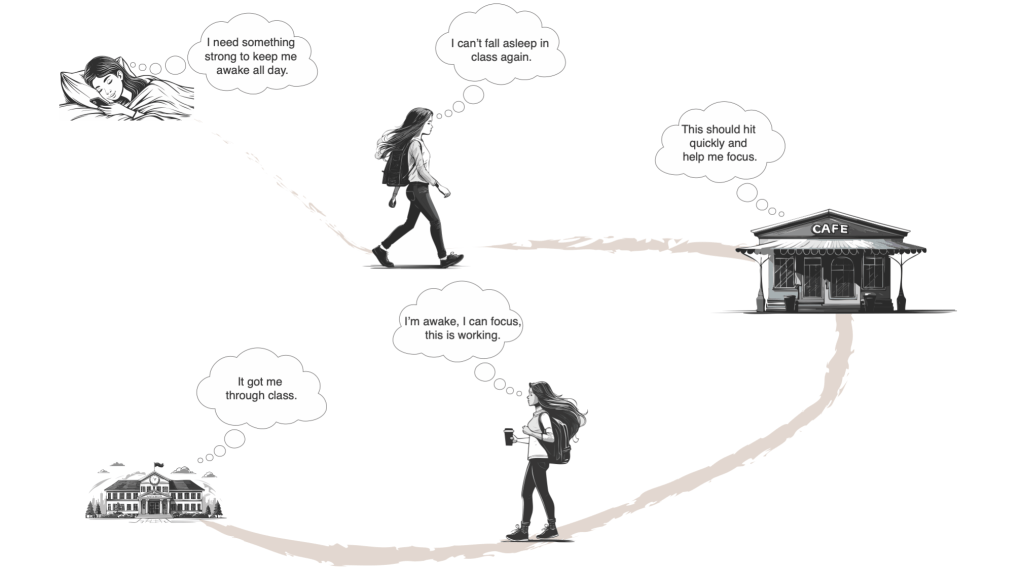
Journey map
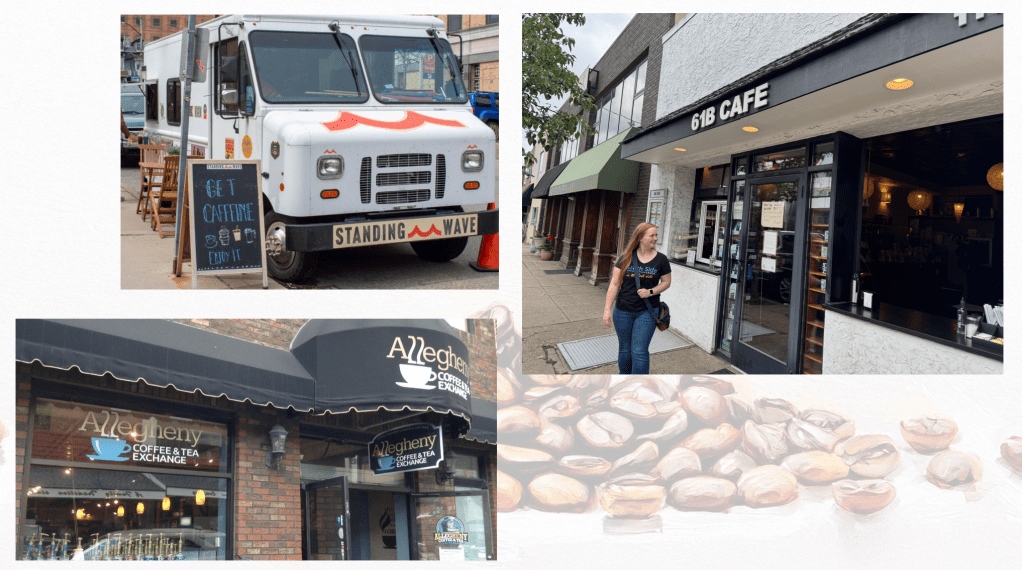
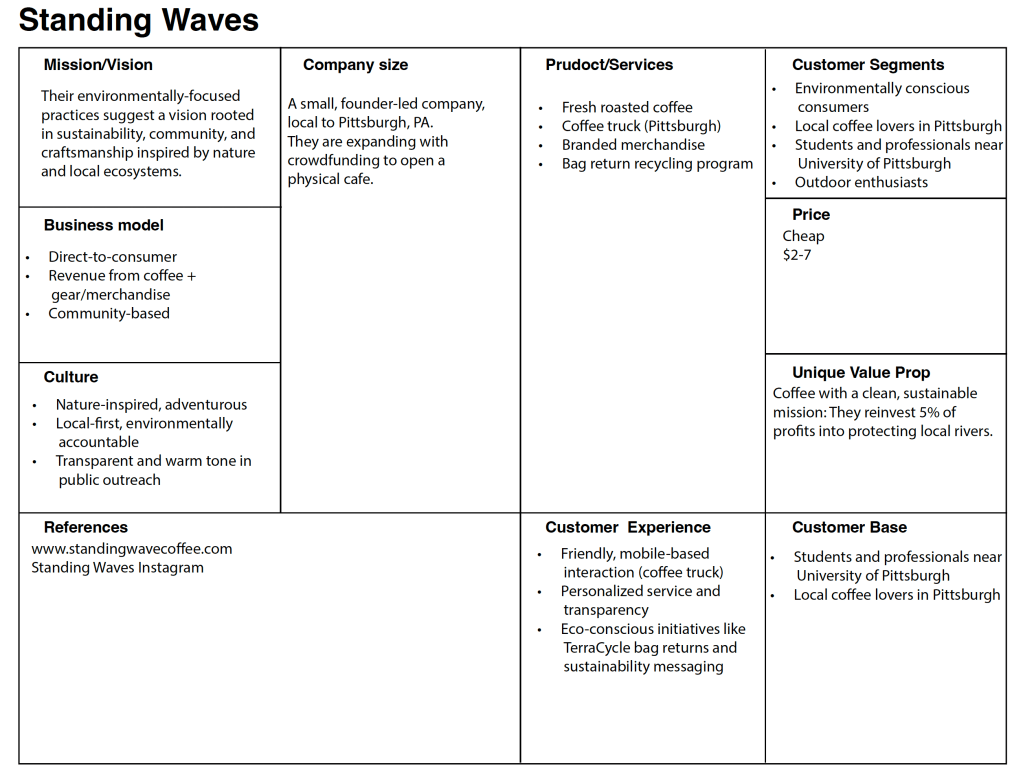
Competitor Analysis
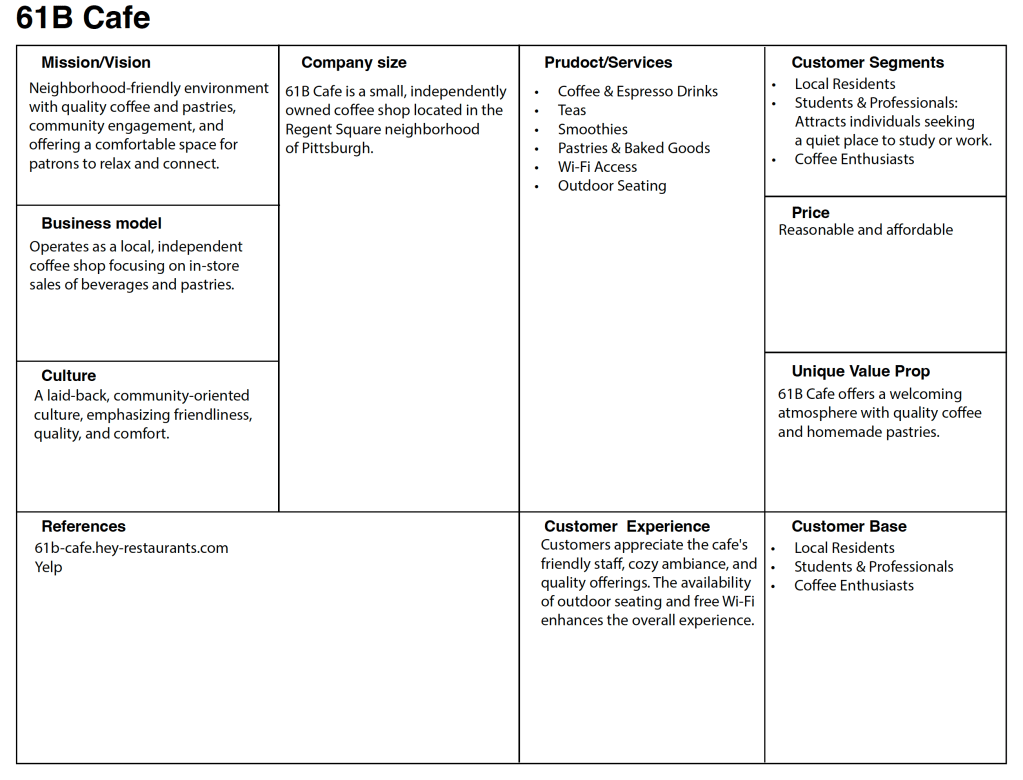
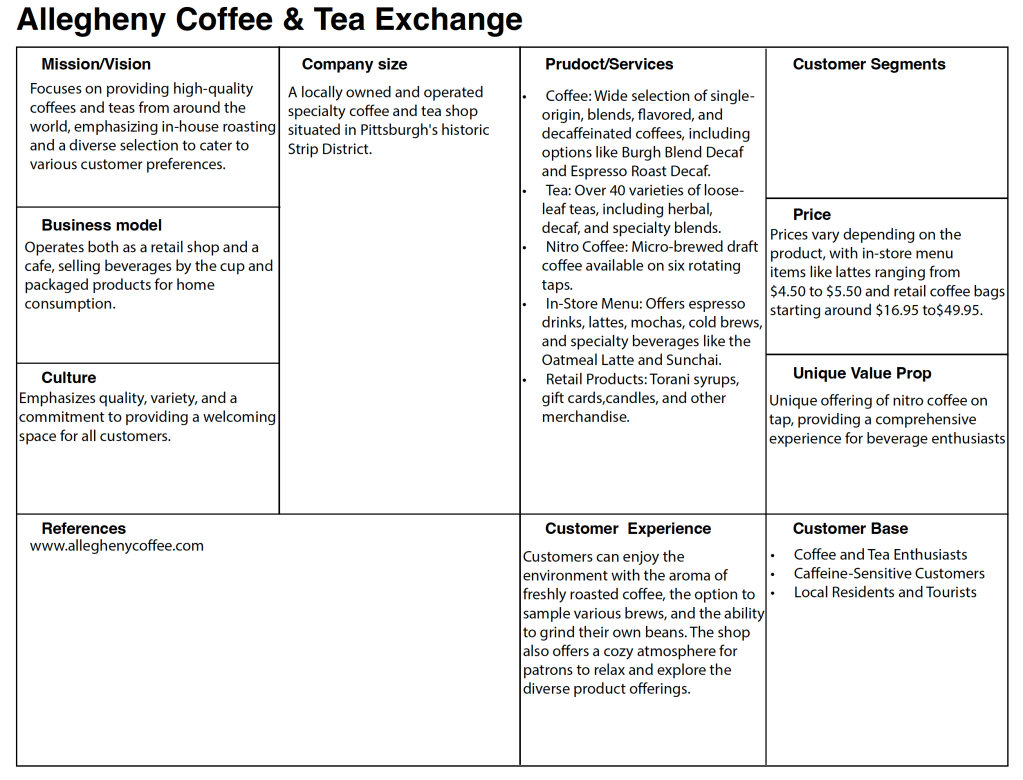
Caffeine Sensitivity
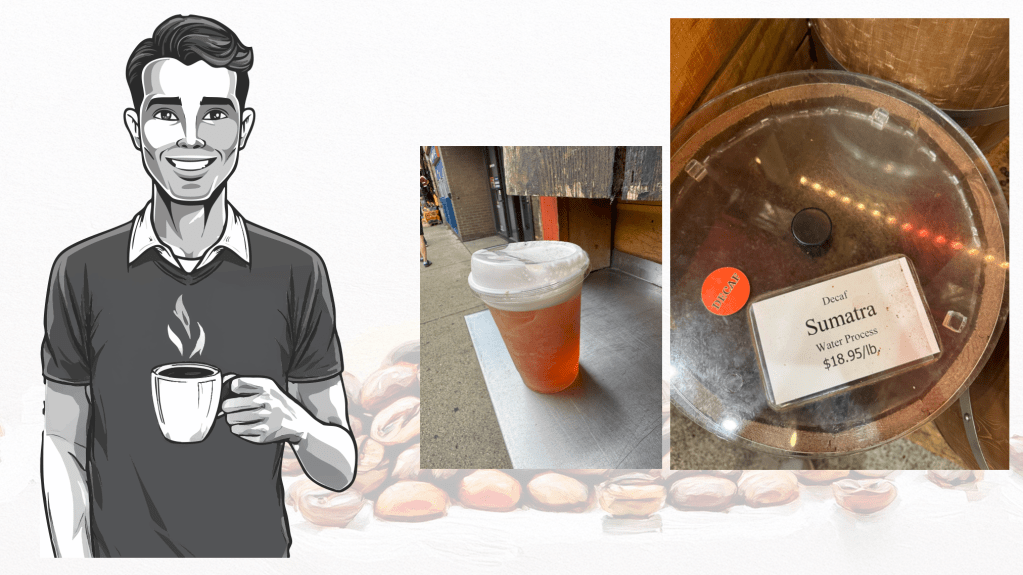
Not all users want caffeine. In fact, many avoid it due to jitters, anxiety, or health concerns.
Take Ana, for example. She genuinely loves the taste of coffee the ritual, the comfort, but can’t handle the stimulant.
She told me: “I need the taste, not the buzz.”
For users like Ana, decaf isn’t an afterthought, it’s the main event. But too often, cafes don’t treat it that way. Menus may lack variety, baristas might overlook it, and seasonal or specialty drinks are rarely available in decaf versions.
Cafe as a Ritual
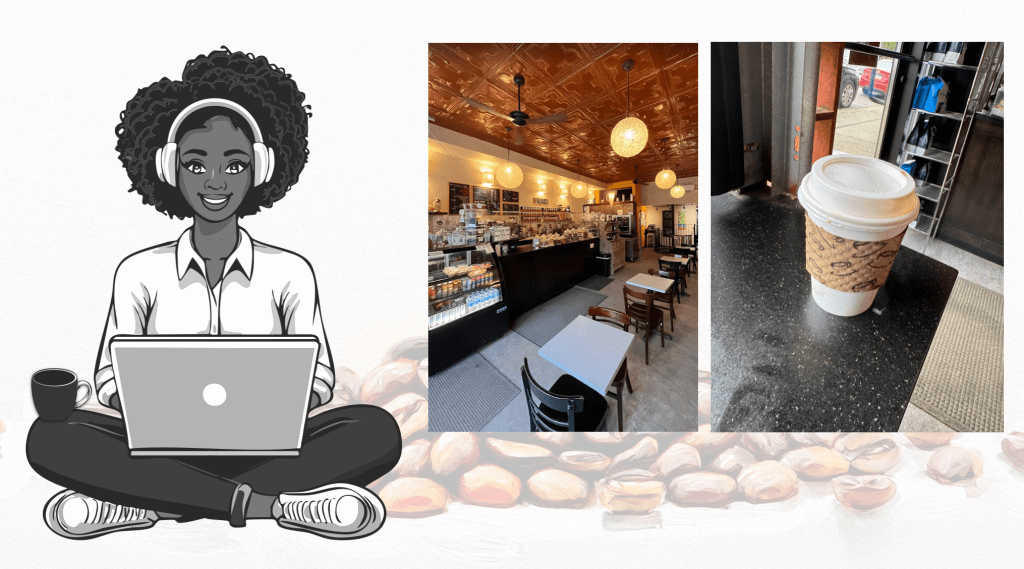
For many users, cafés are about more than just grabbing a drink, they’re intentional spaces for focus, comfort, and mindset-shifting.
Take Lila. For her, going to a coffee shop isn’t just a task, it’s a ritual that helps her get into the zone.
She shared: “It’s part of how I get into the zone.”
The environment the lighting, the hum of conversation, the routine of ordering, signals her brain that it’s time to work, reflect, or reset.
These are transitional spaces somewhere between home and office where people prepare for what’s next.
Brewing Frustration at Home
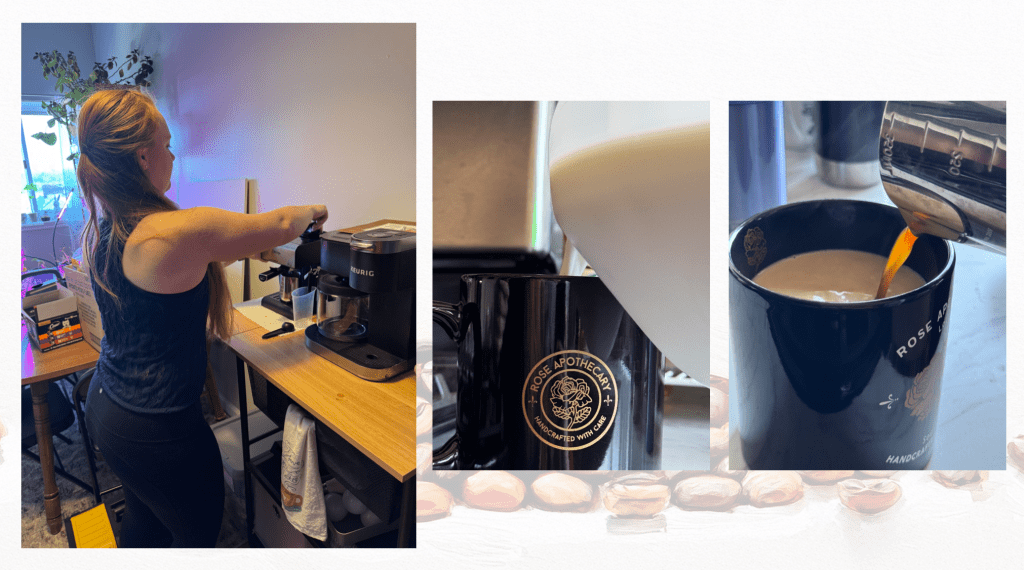
Many users enjoy coffee at home, but struggle to replicate the cafe experience.
Sarah is one of them. She loves the atmosphere and quality of her favorite café drinks, but when she brews at home, something’s always missing whether it’s the flavor, the foam, or the balance.
She told me: “It’s just not the same.”
Despite using good ingredients, Sarah often feels disappointed and bored with her home drinks. She’s hesitant to try new recipes for fear of wasting supplies and ends up cycling through the same routine.
Price Impacts Loyalty
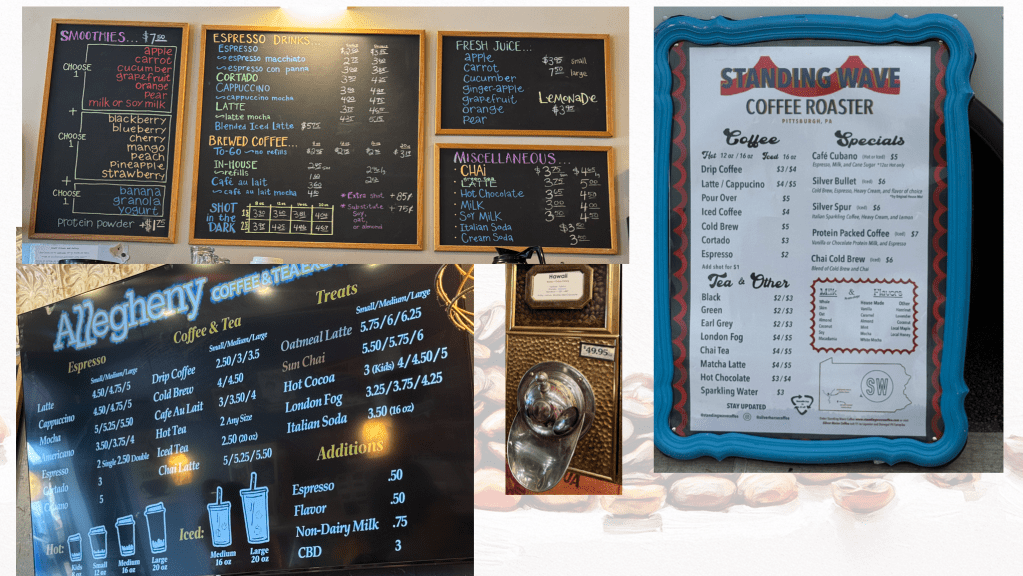
One of the most common barriers I heard from users was cost.
Even users who love a particular café said that pricing often determines how often they return.
Marcus, for example, told me: “I’d come more often with a discount.”
This wasn’t just about drink prices, it’s about value and access. For students or remote workers, even a couple of extra visits a month might not feel justifiable without perks or incentives.
Research Challenges & Limitations
While this research phase yielded strong insights, there were a few limitations I want to acknowledge.
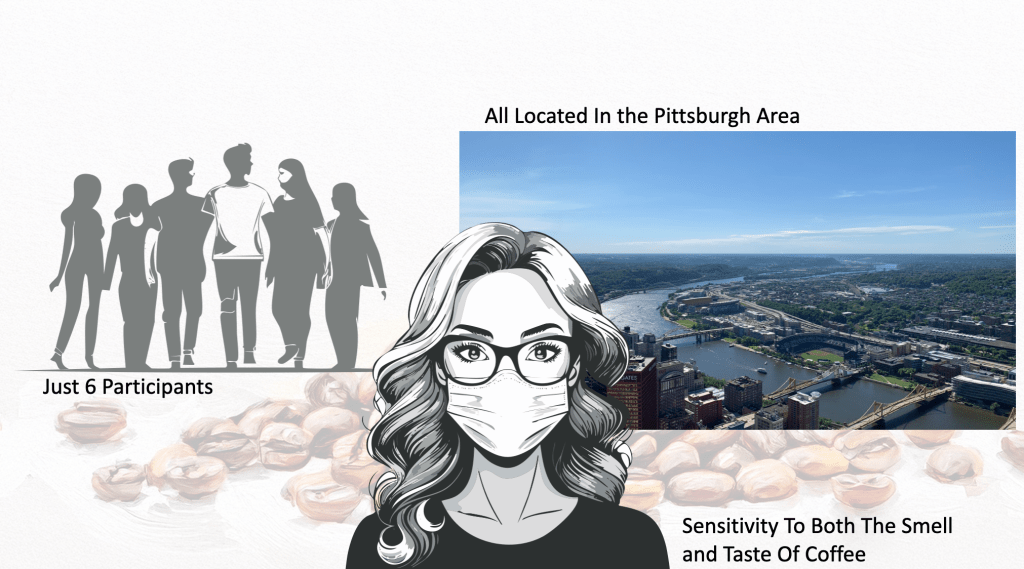
First, this study was conducted with a small sample size just six participants all located in the Pittsburgh area. This means the findings reflect a local perspective and may not fully capture broader regional or demographic variations.
Second, I personally have a sensitivity to both the smell and taste of coffee. Because of that, I wasn’t able to spend extended periods inside cafés or interact directly with high-exposure environments.
To work around this, I focused on survey-based methods, brief site visits, and external observations. I also used essential oils inside a mask to help manage exposure, which allowed for short observations though it didn’t eliminate the sensitivity entirely.
Despite these limitations, the insights were strong and consistent enough to point to clear themes and meaningful opportunities for further research and ideation in future phases.
Research Challenges & Limitations
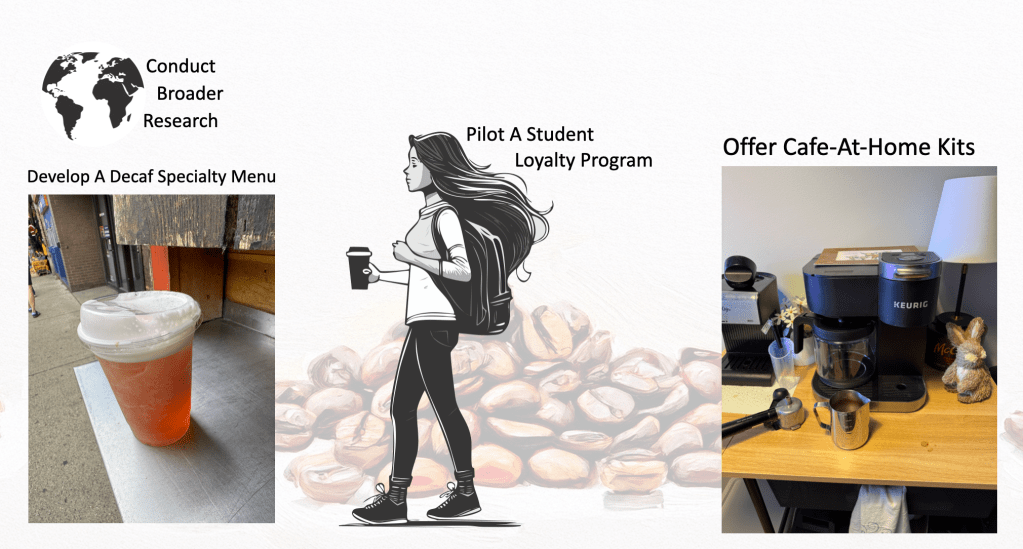
Conduct broader research Expanding beyond Pittsburgh will help capture a wider range of user needs and validate the trends I’ve observed.
Develop a decaf specialty menu Users like Ana are looking for flavor-forward, thoughtfully made decaf drinks. Treating decaf as a first-class offering can serve an underserved group and differentiate the brand.
Pilot a student loyalty program Students are frequent users, but price limits their visits. A well-designed loyalty program or discount model could improve retention and frequency.
Offer cafe-at-home kits Users like Sarah want help recreating the café experience at home. Kits with recipes, tools, or rotating seasonal features could bridge that gap and keep users engaged.
 Abigail Ziesmer